TCMA and GIZ push low-carbon technologies to drive cement sector toward Net Zero 2050
Dibaca: 1007 kali
Kamis, 30 Juli 2026 - 15:00:29 WIB
??????? net zero
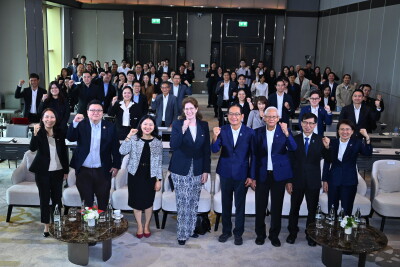
BANGKOK, THAILAND - Media OutReach Newswire - 30 July 2026 - Thai Cement Manufacturers Association (TCMA) has expanded its partnership with Germany's development agency, the Deutsche Gesellschaft für Internationale Zusammenarbeit (GIZ), to accelerate the adoption of low-carbon technologies in Thailand's cement industry. The initiative, highlighted at the TCMA xGIZ at TCMA Technical Conference 2026, reflects a shift from policy commitments to implementation, under the theme: "#MadeInGermany: Cement Decarbonization in Practice – Insights for Thailand". The collaboration aims to transfer proven technologies and expertise from developed economies to support Thailand's transition toward Net Zero emissions by 2050.
Industry Shifts from Plans to Action
Mr. Nopadol Ramyarupa, Vice Chairman of TCMA said the industry has moved beyond pledges and is now focused on execution. TCMA member companies are advancing the Thailand 2050 Net Zero Cement and Concrete Roadmap through: expansion of low-carbon cement, improved energy efficiency, increased use of alternative fuels and raw materials (AFR), greater reliance on renewable energy
TCMA is also involved in the Saraburi Sandbox low-carbon city, a pilot project developed with GIZ under the Thai-German Cooperation on Energy, Mobility and Climate (TGC EMC).
"TCMA now has tangible progress and clear direction. The challenge is scaling up while maintaining competitiveness," Mr. Nopadol said.
Germany Backs Industrial Decarbonization
Mrs. Ebba Schall, chargé d'affaires at the German Embassy in Thailand said Germany is prioritizing emissions reduction in hard-to-abate sectors such as cement through innovation and international cooperation.
"#MadeInGermany reflects standards of innovation, quality and sustainable development. This partnership will help adapt proven technologies to Thailand's context," Mrs. Ebba said.
The cooperation covers technology transfer, capacity building, access to green finance and support for industry readiness.
"The transition to a low-carbon economy is not a cost, but an investment in future competitiveness," she added.
Government Speeds up Support Mechanisms
Dr. Kittisak Prukkanone, Director of the Division of Strategy and International Cooperation at Department of Climate Change and Environment said the partnership highlights closer coordination between government, industry and international partners.
The government is accelerating climate legislation, green investment incentives and financial tools to support low-carbon technologies, including carbon capture, utilization and storage (CCUS).
"This will help unlock new investment models and support long-term industrial transformation", Dr. Kittisak said.
He added that businesses should prepare by investing in technology, improving data systems and adapting operations to future regulations.
Key Technologies in Focus
The technical conference highlighted three technologies critical to reducing emissions in cement production:
LC3 (calcined clay cement) to reduce clinker content
CCUS to address unavoidable emissions
Industrial AI to improve efficiency and reduce energy use
Driving Long-term Transformation
Mr Nopadol said achieving net-zero emissions will require sustained cooperation across sectors. "Success will depend on consistent action and the ability to scale, while strengthening Thailand's competitiveness and positioning the country as a low-carbon industry leader in ASEAN".

 ??????? net zero
